
Sumter County Court Dockets
A docket is the court's running case log. It is not the same as every document in the file. A Sumter County court docket may list the case number, court name, parties, filing dates, event descriptions, hearing settings, orders, motions, plea events, sentencing events, judgment entries, continuances, warrants, and final disposition. The full case record may include pleadings, exhibits, certified copies, orders, indictments, accusations, judgments, and sentencing sheets that are not shown in a short docket list.
The correct docket source depends on the court. Superior Court handles felony criminal cases, divorce, equity, land-title matters, and broad civil cases. State Court matters and county traffic cases are maintained by the Clerk of Superior / State Court. Magistrate Court keeps smaller civil, garnishment, eviction, warrant, and first-appearance records. Probate Court keeps estate, guardianship, conservatorship, marriage, and historical files. Municipal courts keep city cases.
- Docket
- A chronological list of filings, hearings, orders, and case events.
- Filing
- A document submitted to the clerk for inclusion in the case.
- Disposition
- The outcome of a case, charge, motion, or claim.
- Continuance
- A postponement of a hearing or trial date.
Find Sumter County Court Dockets
For Superior and State Court docket information, begin with the Clerk of Superior / State Court. The clerk maintains civil and criminal files for Superior and State Courts and county traffic cases. If the docket is for Magistrate Court, Probate Court, Juvenile Court, Americus Municipal Court, or Plains Municipal Court, contact that court directly. Georgia's statewide e-access resources may help in some cases, but the public research did not confirm one anonymous Sumter County docket search that covers all courts.
- Identify whether the matter is Superior, State, Magistrate, Probate, Juvenile, or Municipal Court.
- Gather the party name, case number, filing date, charge, citation number, or hearing notice before calling.
- Ask the clerk or court office whether a docket printout, plain copy, certified copy, or eCertified copy is available.
- Use provider tools such as Georgia Courts e-access or re:SearchGA only after confirming that Sumter County data is included.
- Use e-filing systems only for filing workflow. They are not the same as public docket lookup.
The Odyssey eFileGA landing page is one Georgia filing route, not a stand-alone public docket index.
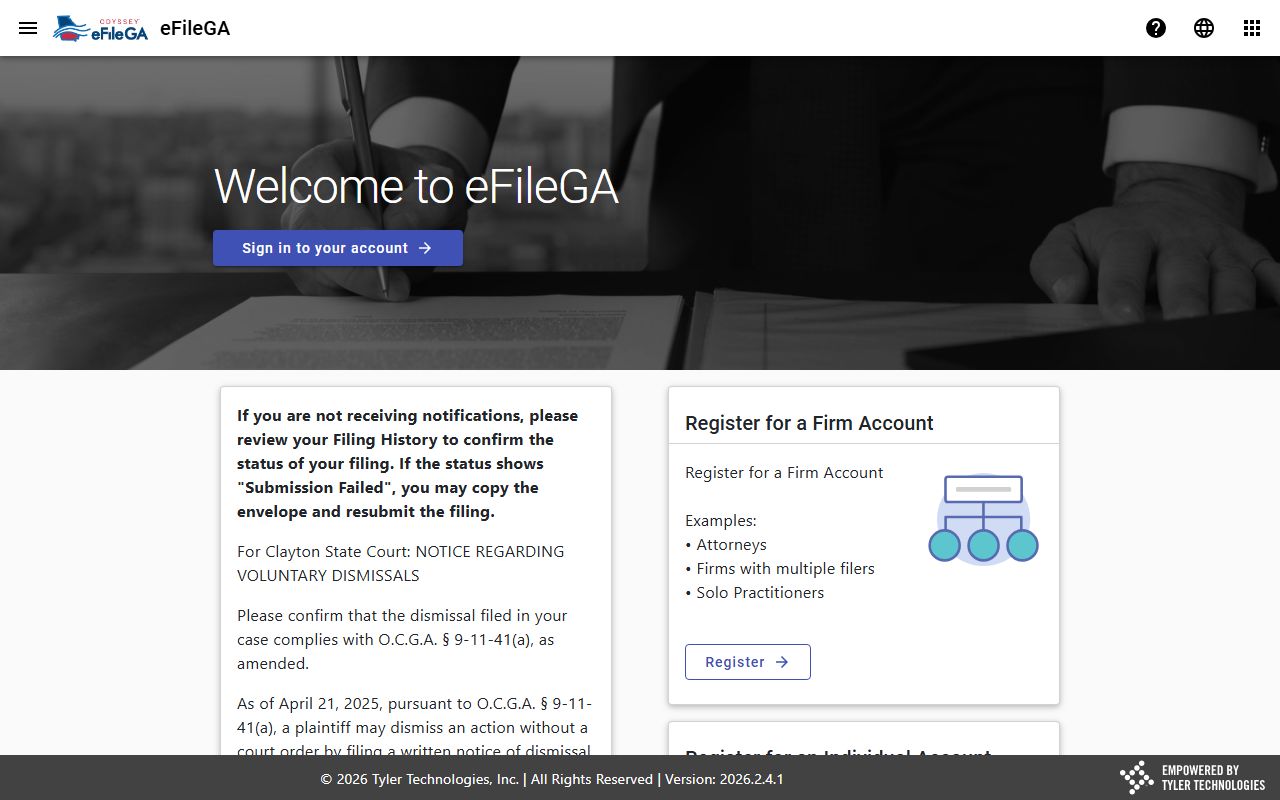
This distinction keeps a docket request focused on access to case events, not on electronic filing accounts.
Sample Sumter County Docket Fields
No public Sumter Superior or State Court sample docket was available without account or payment during research. The court-record field inventory still shows the type of data a docket or file can contain. For recent criminal matters, the official jail roster can serve as a charge and court pointer, but it is not the final docket. It may show a court line such as State Court or Superior Court, then the court file must be checked with the proper custodian.
| Field | What It Shows |
|---|---|
| Entry date | The date a filing, hearing, order, or event was entered. |
| Event type | A motion, order, hearing, plea, sentence, judgment, notice, warrant, or disposition event. |
| Party or attorney | The person, lawyer, prosecutor, public defender, or agency tied to the entry. |
| Court | The court that controls the docket, such as Superior, State, Magistrate, Probate, Juvenile, or Municipal Court. |
| Status | Pending, active, disposed, closed, dismissed, transferred, sealed, or restricted. |
| Document reference | A document title or filing note; the full document may require a clerk copy request. |
Courts Behind Sumter County Dockets
Sumter County court dockets follow Georgia's trial-court structure. The Superior Court is in the Southwestern Judicial Circuit with Lee, Macon, Schley, Stewart, Sumter, and Webster counties. State Court records are maintained by the same local clerk. Magistrate Court has a separate role in civil claims, dispossessory cases, abandoned vehicles, county ordinances, warrant applications, and first appearances. Probate and Juvenile Courts each have special subject-matter records, and city courts handle city matters.
| Court / Office | Docket Role | Contact Path |
|---|---|---|
| Superior Court | Felony, divorce, equity, land-title, and broad civil matters | Clerk of Superior / State Court, (229) 928-4537 |
| State Court | State Court cases and county traffic cases | Clerk of Superior / State Court, (229) 928-4537 |
| Magistrate Court | Claims, garnishments, dispossessory cases, warrants, and first appearances | (229) 928-4524 |
| Probate Court | Estates, guardianships, conservatorships, marriage, firearms, commitments, and history | 229-928-4551 |
| Juvenile Court | Juvenile matters with controlled access | (229) 928-4569 |
| Americus Municipal Court | City offenses and municipal traffic | 119 South Lee Street, 229-924-3677 |
The statewide Georgia.gov portal can route users to court, traffic, marriage, and other state service paths.
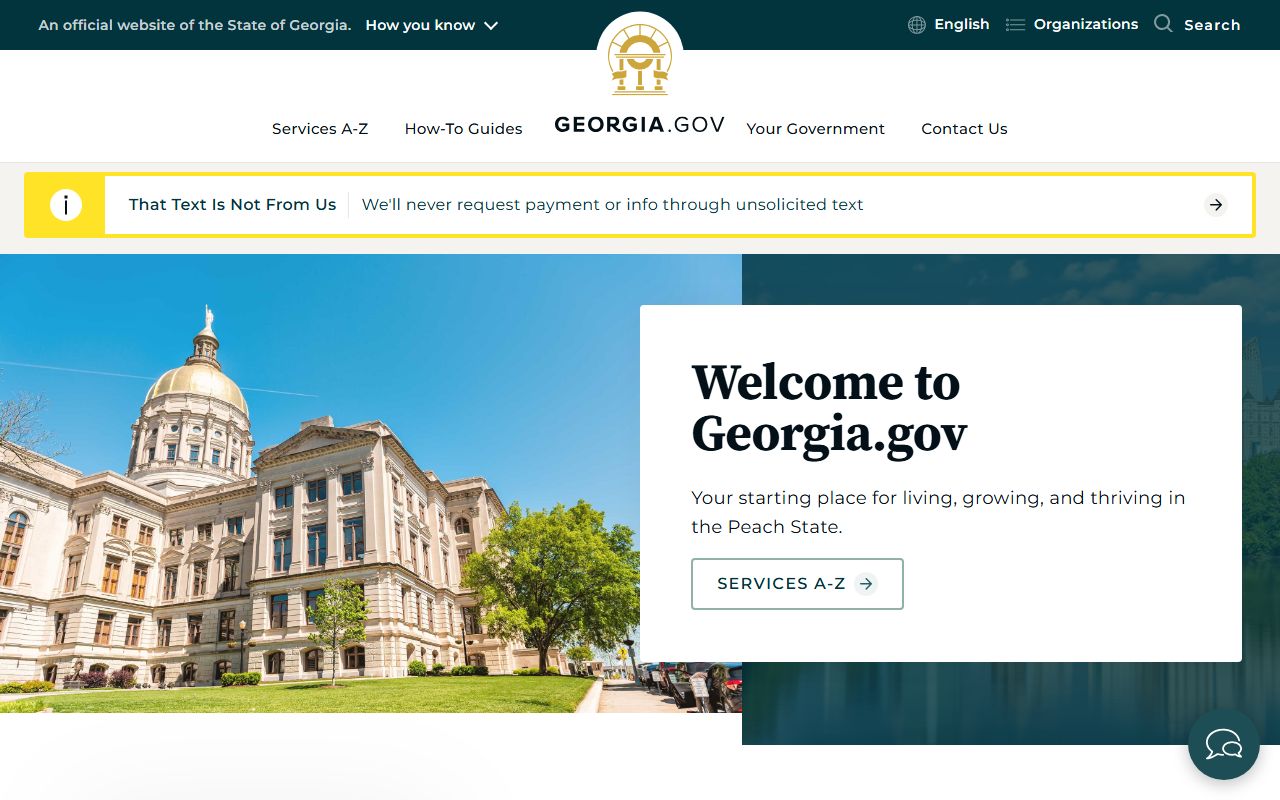
Statewide portals are useful signposts, but Sumter County docket detail still comes from the court that owns the case.
Sumter County Dockets vs Case Records
A docket helps track status. A full case record supports deeper review. For example, a docket may show that a motion was filed, but the motion text may require a copy request. A criminal docket may show a plea and sentence event, while the actual sentencing order may be a separate document. A civil docket may show that judgment was entered, while a certified judgment copy is obtained from the clerk.
This split matters in Sumter County because several systems can point to a case without giving the complete file. The jail roster can point to a charge and court, but not the final criminal docket. GSCCCA eCertification can produce secured certified PDFs where available, but it is a document request route. Georgia Courts e-access and re:SearchGA may help with provider access, but they require an account and Sumter coverage must be verified. The clerk remains the strongest source for Superior and State Court docket status.
| Feature | Docket | Full Case Record |
|---|---|---|
| Format | Chronological event list | File with pleadings, orders, notices, and exhibits where public |
| Best use | Track progress, dates, and status | Review legal content and obtain certified proof |
| Access | May be available by clerk inquiry or provider search | May require copy fees, certification, or in-person review |
| Limits | May omit document text | May include sealed, restricted, or redacted items |
Read Sumter County Docket Entries
Docket entries use short court terms. A motion is a request for a judge to act. An order is a written decision or direction signed by a judge. A judgment is a final or enforceable court decision. A disposition is the outcome of a claim or charge. A capias or bench warrant often relates to failure to appear or unresolved court obligations. Bond is the security or promise tied to release while a criminal matter is pending.
For criminal court dockets, look for the difference between an accusation, indictment, plea, verdict, disposition, and sentence. For civil dockets, look for the complaint, answer, service, motion practice, judgment, and lien or garnishment activity if applicable. For probate dockets, letters testamentary, letters of administration, inventories, annual returns, and final orders may be important. Juvenile docket access can be limited by statute and court order.
Note: A docket entry can show that an event happened without proving the full text of the underlying document.
The Sumter County Juvenile Court page is one example of a court whose files may require special access handling.
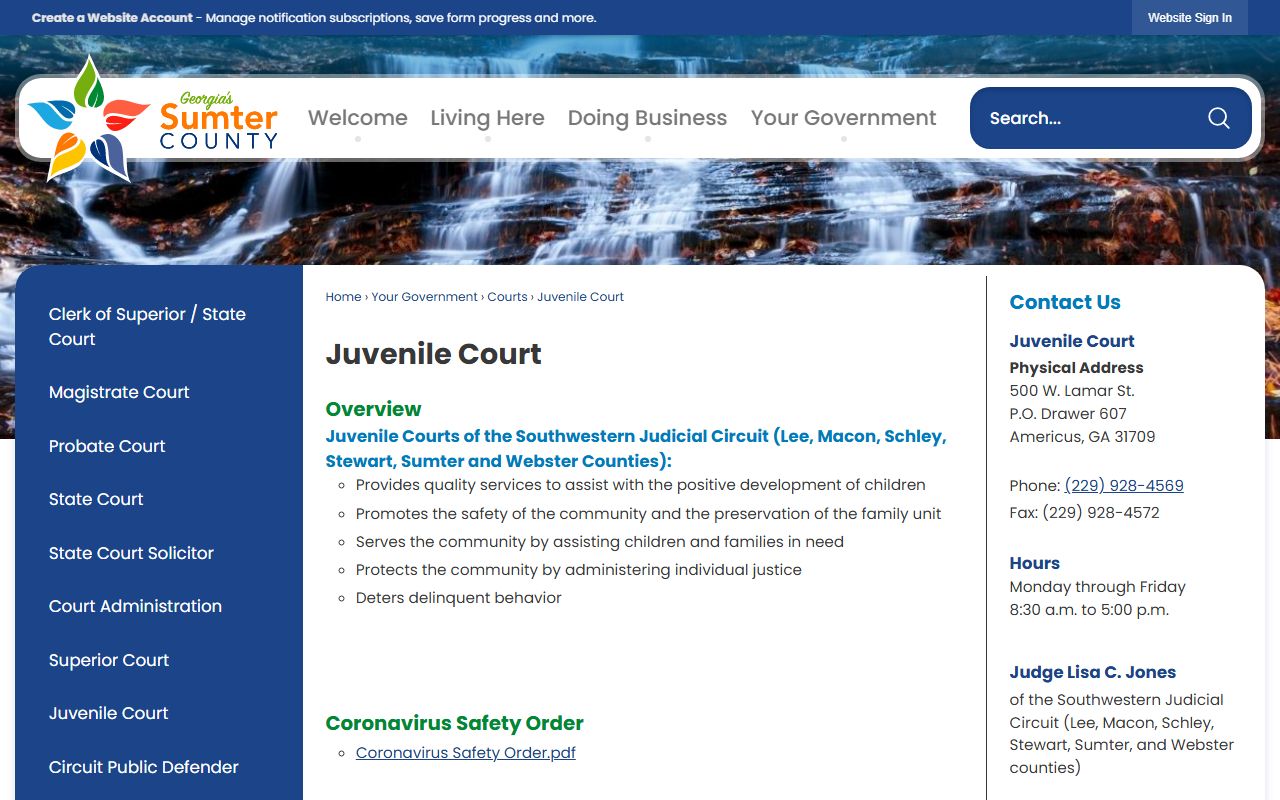
Juvenile matters show why docket access depends on both the court type and the public-record rule that applies to the case.